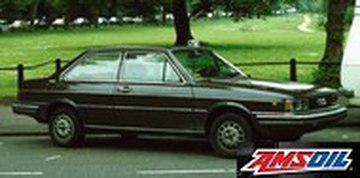
Maintaining Lubrication Integrity for the 1981 Audi 4000 1.7L
Proper engine care for a vehicle like the 1981 Audi 4000 with its 1.7L engine requires a disciplined approach to fluid management and routine inspections. As vehicles age, the consistency of maintenance becomes the primary factor in determining how well internal components continue to operate. For this specific application, focusing on the quality of the lubricant and the condition of the surrounding engine components is essential for long-term serviceability.
Monitoring Fluid Condition and Potential Leaks
One of the most effective ways to monitor the health of the 1.7L engine is through regular visual inspections of the lubrication system. Owners should look for any signs of fluid seepage or active leakage around the engine block and associated sealing surfaces. While some level of minor seepage can occur as gaskets and seals age, any significant accumulation of oil should be investigated promptly.
When performing these checks, consider the following:
- Surface Inspection: Examine the area around the engine for wetness or dark residue that may indicate a slow leak from a gasket or seal.
- Drain Area Condition: Check the area beneath the vehicle after it has been parked for an extended period to see if any fluid is dripping onto the ground.
- Fluid Appearance: If the oil level is checked, the color and texture of the lubricant can provide clues. Extremely dark or gritty oil may suggest that service intervals have been exceeded or that contamination is present.
It is important to note that various symptoms, such as an unusual odor or visible fluid on the ground, can have multiple causes. A single observation should be treated as a prompt for further inspection rather than a definitive diagnosis of a specific component failure.
Managing Maintenance Records and Service Baselines
For owners of a 1981 Audi 4000, establishing a clear maintenance baseline is highly beneficial, especially if the vehicle's full service history is not known. If you have recently acquired the vehicle, your first priority should be to document its current state. This involves verifying the condition of all fluids and identifying any immediate needs for repair or replacement.
Maintaining a detailed log of every oil change, filter replacement, and mechanical repair allows you to track patterns over time. For example, if you notice that the engine requires more frequent top-offs than it did previously, having a record of when the last service occurred can help determine if this is a new development or a long-standing characteristic. Consistent record-keeping also assists in distinguishing between necessary preventive maintenance and unnecessary parts replacement, ensuring that resources are directed toward the most impactful service tasks.
Observing Potential Warning Signs
Staying proactive involves recognizing when the engine's behavior deviates from its normal operating state. While many issues can be addressed easily if caught early, some signs warrant immediate attention to prevent further complications.
Potential indicators that require investigation include:
- Changes in Lubricant Consumption: If you find yourself needing to add oil more frequently than usual, it is a sign that the engine's lubrication levels are not being maintained naturally.
- Unusual Mechanical Noises: Any new or changing sounds coming from the engine area during operation should be evaluated by a professional.
- Warning Indicators: If the dashboard displays any fluid-related warning lights, these should be treated with high priority to avoid potential engine damage.
Always remember that symptoms like unusual smoke or noise can be associated with several different mechanical issues. A thorough inspection is necessary to identify the actual source of the concern.
Age-Related Inspection Priorities
As a vehicle from 1981 enters a different stage of its lifecycle, certain components naturally require more frequent monitoring. Rather than assuming every part is failing due to age, maintenance should be based on the actual observed condition of the materials.
When inspecting the engine bay, pay close attention to flexible components. If equipped, inspect accessible drive belts for signs of cracking, glazing, or fraying. Similarly, if the vehicle is equipped with various rubber hoses, check them for signs of hardening, swelling, or surface deterioration. These materials can become brittle over time due to heat cycles and environmental exposure. Additionally, inspecting electrical connections and wiring harnesses for any signs of corrosion or fraying can help prevent intermittent electrical issues that might otherwise be difficult to diagnose.
Prioritizing Service Tasks
Effective maintenance is about knowing where to focus your efforts. For an older 1.7L Audi engine, priorities should shift based on the current condition of the vehicle. If there are active leaks or if a warning light has been triggered, these must be addressed before any other routine tasks. Once the immediate concerns are resolved, the focus can return to preventive measures.
A practical approach involves reviewing all available service history and then performing a comprehensive inspection to see where the vehicle currently stands. This allows you to address overdue maintenance first while also monitoring for changes in how the engine operates under different loads or temperatures. By focusing on condition-based maintenance rather than just chronological age, you can ensure that the vehicle remains reliable without performing unnecessary work.
Practical Advice for Buying Engine Oil for your 1981 Audi 4000 1.7L
When it is time to replenish the engine's lubricant, the most critical step is ensuring the product matches the specific requirements of your engine. To ensure proper protection and performance, match the engine oil to the application-specific viscosity information already displayed on this webpage.
As you shop for products, keep these practical tips in mind:
- Verify Labeling: Always check the product packaging to confirm that the SAE viscosity matches what is listed in your vehicle's application data.
- Consider Formulations: Depending on the engine's current condition and mileage, you may encounter various options such as conventional, synthetic blends, or full synthetic oils. Some high-mileage oil formulations contain additives intended for use in aging engines, including seal-conditioning additives, which may be worth considering if you are managing minor seepage.
- Check Quality Standards: Look for oils that meet the appropriate API certifications to ensure the lubricant provides modern levels of oxidation resistance and deposit control.
By strictly adhering to the viscosity and application details provided in the technical data above, you can make an informed decision that supports the continued operation of your 1981 Audi 4000.